Restore Your Property
Clear ugly, dangerous debris and get your acreage back to looking its best.
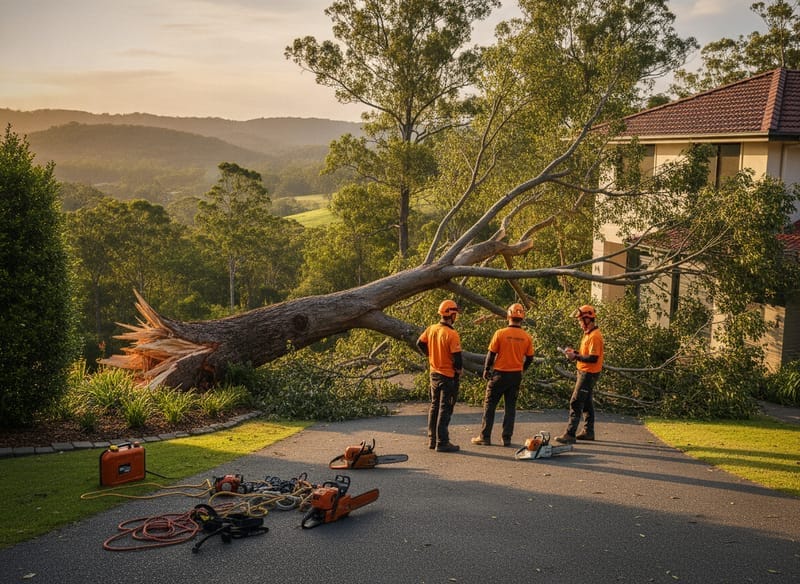
Fast, safe, and complete cleanup of fallen trees, snapped branches, and hung-up limbs after severe weather.
Extensive post-storm cleanup for acreage properties across Bunya.
When the storm passes, our crews arrive to clear the debris and ensure your remaining trees are safe and stable.
Bunya’s location near the D'Aguilar Range exposes it to intense summer storm cells, often resulting in widespread canopy damage and uprooted paddock trees due to saturated, soft soils.
Clear ugly, dangerous debris and get your acreage back to looking its best.
By removing damaged branches and assessing weakened trees now, you prevent them falling in the next storm.
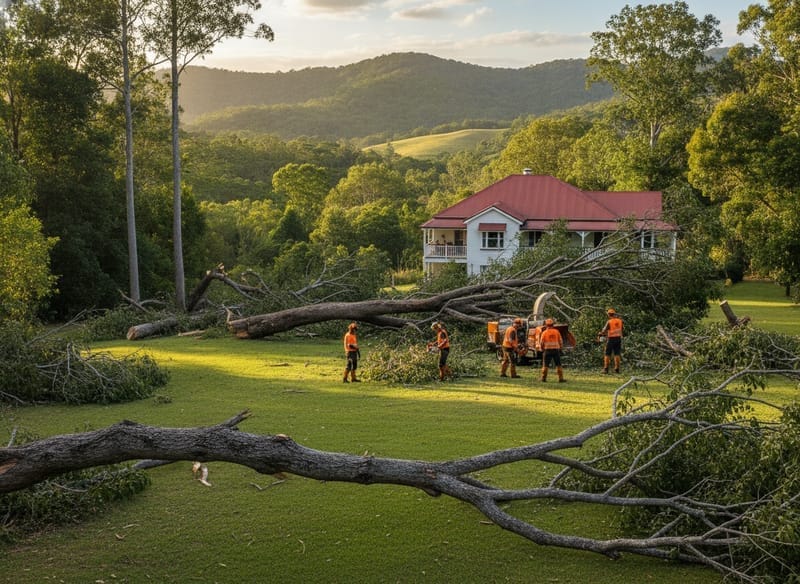
We bring the heavy loaders, chippers, and trucks, handling the entire massive cleanup in a fraction of the time it would take manually.
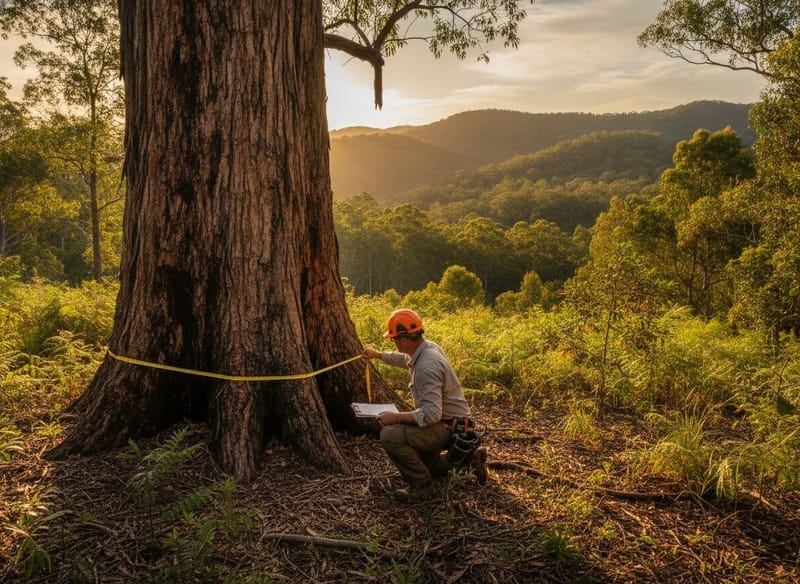
We tour your Bunya property to identify all storm damage and prioritise hazards.
We provide a comprehensive quote suitable for submission to your insurance provider.
Our crew moves through methodically, safely dismantling broken timber and clearing debris.
We check that the remaining canopy is secure and structural integrity hasn't been compromised.
When severe subtropical weather strikes the Hills District, the aftermath on your property can be overwhelming and downright dangerous. For homeowners and acreage property managers dealing with fallen or hazardous timber, our dedicated team provides the expert Storm Damage Tree Removal Bunya residents can rely on to secure their homes.
Bunya is renowned for its beautiful, established acreage properties and towering native trees like flooded gums and hoop pines. However, when summer storms, intense hail, or high-wind events roll through, these massive canopies can suffer catastrophic branch failures. In periods of heavy rain, saturated clay soils frequently lead to complete root-plate collapse, bringing entire trees crashing down across driveways and fences.
We are local, AQF-qualified arborists ready to mobilise our trucks, wood chippers, and specialised climbing gear to secure your site. Whether a massive blackbutt has crashed across your access road or a hung-up branch is threatening your roofline, our highly trained climbers step in to safely dismantle the hazard and restore order to your property.
In the chaotic hours following a severe weather event, the temptation to fire up a chainsaw and tackle fallen timber yourself is incredibly high. However, DIY storm cleanups are among the most dangerous tasks a homeowner can undertake. Storm-damaged trees behave unpredictably; fallen trunks hold massive amounts of stored kinetic energy, and broken branches are often pinned under extreme tension or compression. One wrong cut can result in a violent snapback, causing serious injury or further property destruction. Furthermore, under-qualified operators or opportunistic "storm chasers" often resort to aggressive lopping or unsafe felling practices. Not only do these methods breach AS4373 pruning standards, but they can fatally compromise storm-battered trees that might otherwise have been saved. Unlicensed operators also frequently lack the necessary insurance to cover accidental damage to your home. Our team provides a safe, highly controlled solution. As AQF Level 3 and Level 5 arborists, we understand the complex physics of storm-wrecked timber. We begin with immediate hazard triage—identifying widow-makers and structural failures—before using advanced rope-access techniques and heavy machinery to safely dismantle the mess. We also document the site meticulously, providing the photographic evidence and formal reports you need for smooth, hassle-free insurance claims.
When responding to storm-damaged acreage in the Hills District, we utilise specialised arboricultural techniques and equipment to safely dismantle and process compromised trees.
We systematically walk the property to categorise trees by priority: immediate hazards over houses or powerlines, secondary hazards like hung-up limbs, and ground-level cleanups, ensuring the highest risk zones are secured first.
Utilising advanced chainsaw cross-cut techniques by ticketed operators, we safely release stored energy in fallen or twisted trunks, preventing dangerous snapback or roll-overs during processing.
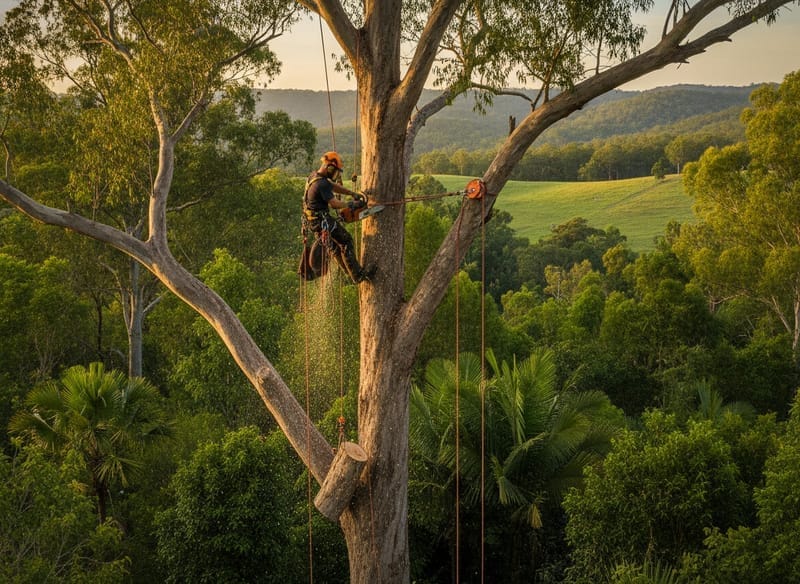
Deploying single and double-rope climbing techniques to navigate steep, muddy acreage slopes where Elevating Work Platforms (EWPs) cannot safely operate.
Using loader cranes and heavy-duty rigging to carefully lift heavily damaged canopies off roofs or delicate structures, preventing any secondary impact damage to your property.
Feeding large volumes of branch debris through our high-capacity 12-inch wood chippers, and using tracked mini-loaders to move heavy logs without destroying soft, wet-season ground.
Navigating a post-storm property can be incredibly stressful, so we keep our emergency response process structured, transparent, and intensely focused on safety. First, we ask that you stay clear of the drop zone and call us. Upon arrival at your acreage, our senior arborists conduct a rapid site assessment. We tag and prioritise every affected tree, checking for live power lines, structural root risks, and precarious hung-up branches that could fall at any moment. Next, we capture detailed pre-work photographs and draft an itemised quote. This documentation is critical, as most major storm damage tree removal work is processed through home insurance, and insurers require clear evidence of the initial hazard before work commences. Once approved, our climbers and ground crew establish safety exclusion zones and get to work. We prioritise "make-safe" operations first—lifting fallen trees off structures and clearing blocked access roads. After the immediate dangers are neutralised, we systematically process the remaining timber, utilising our chippers and tipper trucks to remove the debris entirely. Finally, we rake the site clean, ensuring your property is secure, tidy, and safe for your family to navigate once again.
Safety and compliance are non-negotiable when dealing with the unpredictable nature of storm-damaged timber. Our entire team operates under the strict guidelines of AS4373 (Pruning of Amenity Trees) to ensure surviving trees aren't butchered during the cleanup, preserving their long-term health and structural integrity.
Every climber on our crew holds an AQF Level 3 Certificate in Arboriculture, while our consulting arborists hold AQF Level 5 diplomas to handle complex insurance reporting. We carry a comprehensive Public Liability insurance policy and full WorkCover, protecting you, your property, and our staff from liability if the unexpected occurs on your challenging acreage block.
Executing a successful Storm Damage Tree Removal Bunya project requires highly specific local knowledge. The Hills District is characterised by sprawling acreages, steep terrain, and long, unsealed driveways that can easily become blocked by a single fallen hoop pine or massive flooded gum.
During the summer storm season, Bunya’s heavy, saturated soils are notorious for causing whole-tree root-plate failures in mature eucalypts. Furthermore, properties here frequently fall under City of Moreton Bay Koala Habitat Areas or specific Bushfire Hazard Overlays. This means emergency make-safe works must be carefully balanced with strict local environmental compliance.
Our crews are highly experienced with these Hills District nuances. We know exactly how to operate our heavy machinery on steep, muddy acreage without completely destroying your turf, and we thoroughly understand the council exemptions that apply to genuine emergency tree removals versus standard landscape maintenance.
Once the emergency cleanup is finished, the focus naturally shifts to recovery and future prevention. We highly recommend keeping a close eye on any large native trees that were subjected to high winds but remained standing. Look for new soil lifting at the base, widening vertical cracks in the trunk, or sudden canopy dieback, as these can be delayed signs of root or structural failure.
For properties in bushfire-prone zones, clearing the storm debris is a perfect opportunity to reassess your Asset Protection Zone (APZ). If you notice any hanging branches we couldn't see in the initial storm chaos, or if you want a proactive health assessment on your remaining massive native trees, contact our team to schedule a follow-up inspection.
Storm cleanup costs depend heavily on the volume of debris and the complexity of the damage.
Contact us for a prompt, on-site assessment and clear pricing for your post-storm cleanup.
Providing reliable post-storm tree services to the acreage belt:
Contact our expert crew for fast, efficient, and safe storm damage cleanup.
Request a Cleanup Quote