Restored Paddocks
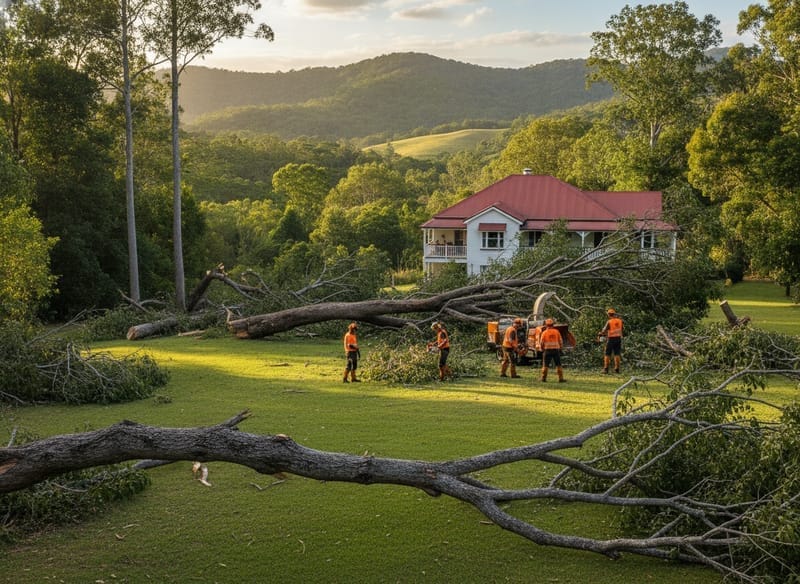
Clear debris so horses and livestock can safely graze again without injury risk.
Comprehensive cleanup of fallen trees, snapped branches, and hazardous debris across your acreage after extreme weather.
Dedicated post-storm recovery for Dayboro and the Hills District.
Our Storm Damage Tree Removal Dayboro service is designed to restore order to your property after high winds and heavy rain cause widespread vegetation failure.
Dayboro properties often bear the brunt of storms rolling off Mt Mee. We are equipped to handle the heavy, wet timber of local eucalypt and rainforest species that drop during these events.
Clear debris so horses and livestock can safely graze again without injury risk.
We prune damaged trees to prevent decay and weak regrowth after a storm.
Leave the heavy, dangerous chainsaw work to the insured professionals.
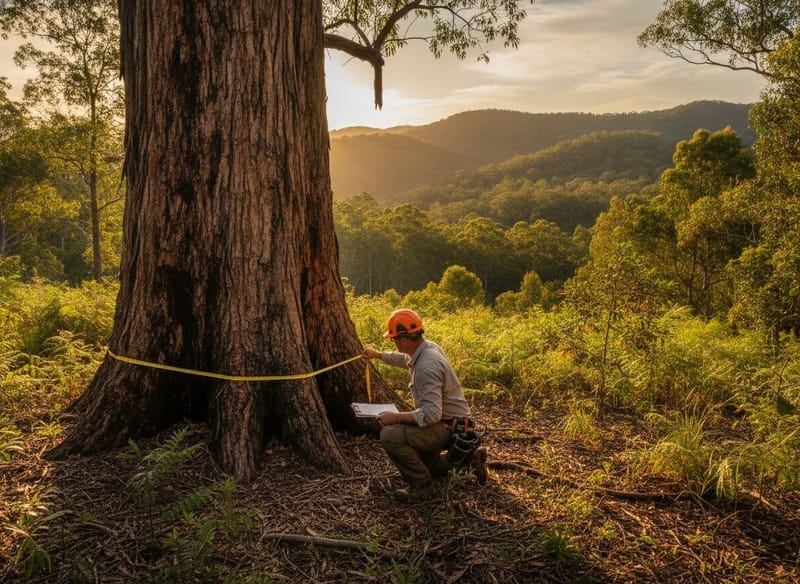
We assess the full extent of the storm damage across your block.
We target blocked access routes, crushed fences, and hung-up branches first.
We buck logs and feed the brush through our industrial chippers.
We ensure remaining trees are structurally sound before leaving.
Living in the Hills District means dealing with intense, unpredictable summer storm seasons. When severe weather hits, property owners need fast, reliable Storm Damage Tree Removal Dayboro to secure their homes, driveways, and fences. We are your local, highly qualified arborists, ready to respond to fallen, hung-up, or dangerously compromised trees following extreme weather events. The steep acreage blocks, saturated soils, and towering remnant native gums around Dayboro make post-storm tree hazards particularly treacherous. Whether a massive flooded gum has dropped a major lead across your primary access road, or an aging hoop pine is threatening a catastrophic structural failure near your roofline, our team provides urgent triage and make-safe solutions. Time is always of the essence when a tree's structural integrity is compromised. We deeply understand the urgency of storm season in the City of Moreton Bay. Our team is fully equipped with the heavy machinery, advanced rigging gear, and specialized local knowledge required to safely dismantle damaged timber, clear your property, and restore your peace of mind.
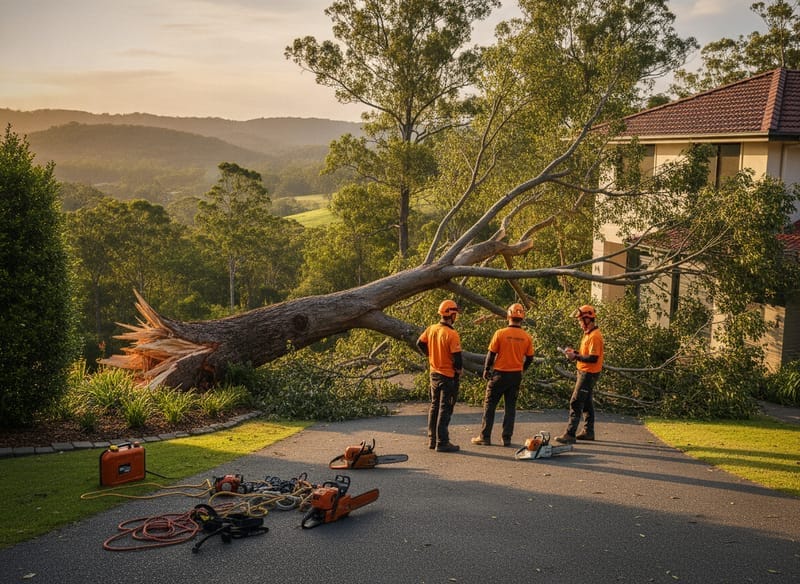
Tackling storm-damaged trees yourself is an incredibly dangerous undertaking. Wind-thrown timber is rarely straightforward; fallen branches and shattered trunks are often locked under immense compression or tension forces. One wrong chainsaw cut by an inexperienced homeowner can trigger a violent release of kinetic energy, leading to severe physical injury or further catastrophic property damage.
Hung-up branches suspended high in the canopy—often referred to by arborists as "widow-makers"—can dislodge without a moment's warning. Furthermore, the saturated soil profiles on Dayboro's steep slopes dramatically increase the risk of massive, unstable root plates suddenly rolling or snapping back upright during the cutting process.
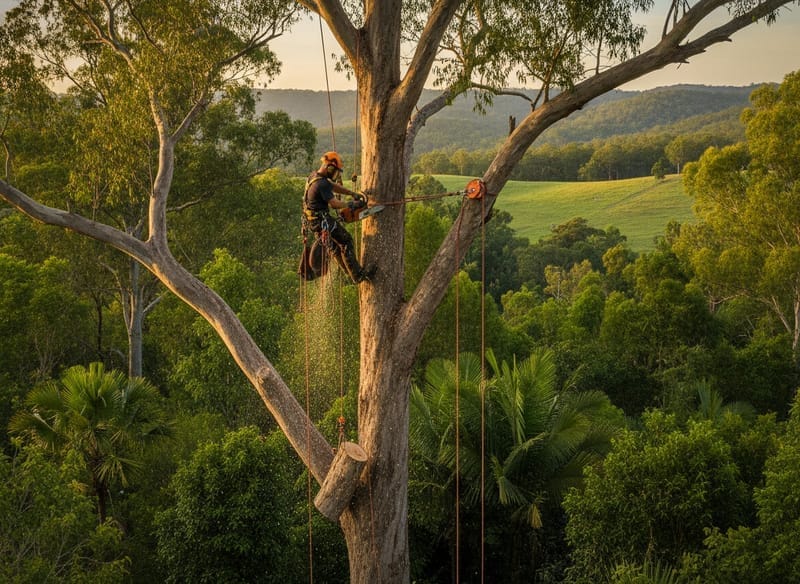
Unqualified operators often resort to dangerous, indiscriminate lopping techniques to rapidly clear debris, a practice that permanently ruins the structural integrity of amenity trees you might otherwise want to save. Instead of risking your personal safety, our team approaches storm damage with a calculated, AS4373-compliant methodology. We assess hidden compression points, utilize mechanical advantages like heavy rigging and loaders, and employ advanced rope access to safely bring down suspended hazards. By relying on our AQF Level 3 climbers, you ensure the hazard is neutralized safely.
When responding to storm-affected properties, our arborists deploy specialized techniques to safely manage hazardous timber and complex structural failures without causing secondary property damage.
We systematically walk your property to categorize damaged trees by priority: immediate hazards over houses or power lines, secondary hazards like hung-up limbs, and general fallen debris. This ensures life-threatening risks are neutralized first.
Fallen or severely leaning trees store massive kinetic energy. Our experienced chainsaw operators use specialized felling and relief cuts to release wood tension safely, preventing the timber from snapping back or dangerously rolling on sloped hinterland terrain.
For shattered canopies where elevated work platforms (EWPs) cannot reach due to soft ground, our climbers use double-rope techniques to access the crown, safely rigging and lowering hung-up storm debris away from fragile structures below.
When a massive hoop pine or heavy eucalypt has completely uprooted and landed on a residential roof, we coordinate mobile crane lifts to hoist massive timber sections vertically, preventing any further weight load or secondary damage to the building.
We provide transparent, detailed itemised quotes and comprehensive photographic evidence of the storm damage before any cutting begins. This critical documentation ensures your insurance claims process is as smooth, accurate, and fast as possible.
When severe weather strikes the Hills District, a fast and highly methodical response is critical. Our process begins the moment you contact us. We dispatch our assessment team to your Dayboro property to conduct a thorough site hazard evaluation. First, we secure the affected area, establishing safe drop zones and identifying immediate threats to powerlines, homes, or critical access roads. We then prioritize our operational workflow, focusing entirely on make-safe operations—removing hung-up branches and stabilizing uprooted trees to prevent imminent structural damage to your property. Once the immediate danger is neutralized, we provide a transparent, itemised quote tailored directly for your insurance company. Upon approval, our heavy removal crew arrives. Using top-handle climbing saws, heavy-duty ground saws (like the MS500i), and tight-access machinery, we systematically dismantle the damaged timber. We chip all smaller debris into usable mulch with our high-capacity wood chippers, and utilize skid steers to carefully extract heavy logs from your acreage. Finally, we conduct a comprehensive site clean-up. We ensure all driveways are clear, fences are accessible for repair, and the remaining standing trees are assessed for hidden stress fractures.
Storm response is strictly high-risk work, demanding uncompromising adherence to safety protocols. Our team operates entirely in line with AS4373 (Pruning of Amenity Trees) and AS4970 (Protection of Trees on Development Sites) standards. We never use unsafe lopping practices, even in emergencies. Every climber on our crew holds an AQF Level 3 in Arboriculture, while our consulting arborists hold AQF Level 5 for complex risk reporting. Furthermore, our business is fully backed by Public Liability insurance and comprehensive WorkCover, giving property owners total peace of mind when we bring heavy chainsaws and specialized machinery onto their land.
The unique geography of the Hills District requires highly specialized local knowledge. In Dayboro, we frequently deal with large emergent canopy species like hoop pines, blackbutts, and flooded gums that act as giant wind sails during extreme summer storm cells. When these massive native trees fail, their heavy root plates can tear up unsealed driveways and cause massive soil disturbance on sloped acreage blocks.
Performing Storm Damage Tree Removal Dayboro requires navigating these steep, often muddy terrains where traditional heavy machinery like wheeled bucket trucks simply cannot go. We rely heavily on specialized rope-access climbing and tracked spider lifts to access difficult gullies and rear-yard emergencies safely.
Additionally, we are highly familiar with City of Moreton Bay council regulations. While emergency make-safe work is generally exempt, we ensure all subsequent cleanup and removal of native vegetation in mapped Koala Habitat Areas complies strictly with local overlays and bushfire management guidelines.
Once the immediate storm damage has been cleared, your remaining trees require close monitoring. Extreme high winds can cause hidden structural fractures, known as "barber chairs" or longitudinal stem cracks, which may not fail until weeks after the storm event. We highly recommend having our qualified arborists perform a comprehensive canopy inspection on your remaining mature trees to identify weak forks or hanging deadwood. Keep a close eye out for fungal growth or sudden leaf drop, as storm-saturated soils can quickly lead to root rot. If you notice any changing leans or unusual cracking noises from your large gums or pines, contact our team for an urgent reassessment.
Storm cleanup is usually quoted as a day rate or bulk package, depending on the volume of debris.
We provide a comprehensive quote to clean up the entire mess, with no hidden fees.
Providing reliable storm recovery across the region.
Contact our local team for efficient, large-scale storm damage cleanup.
Get a Free Quote